Dick Smith: The Godfather of Makeup Who Changed Cinema Forever
He turned Marlon Brando into a mob boss. He made a teenage girl look demonically possessed and terrified a generation. He aged Dustin Hoffman 100 years.
Dick Smith didn’t just do makeup. He rewrote what makeup could do.
Who Was Dick Smith?
Dick Smith was an American makeup artist born in Larchmont, New York, in 1922. He worked in film and television for more than five decades. He won an Academy Award, earned an honorary Oscar, and trained the next generation of makeup legends.
The industry calls him the Godfather of Makeup.
From NBC to Hollywood: How Dick Smith Got His Start
Smith studied pre-med at Yale where he majored in zoology. He planned to become a dentist, but then a book about theatrical makeup changed everything.
In 1945, Smith signed on as NBC Television’s first staff makeup artist. Early TV was unforgiving – live broadcasts, brutal studio lighting, zero margin for error.
He figured things out as he went, developing new uses for foam latex and plastic appliances that nobody had tried before.
By the time he left in 1959, his one-man department had grown to a team of 25. After fourteen years, he was ready for something bigger.
Dick Smith’s Most Iconic Film Work
Little Big Man (1970) – Aging Dustin Hoffman to 121
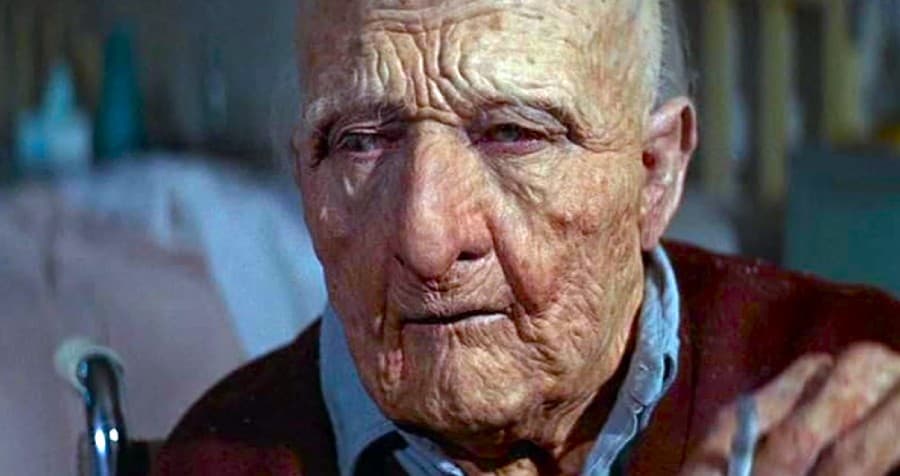
This makeup stunned the film world. Smith transformed Dustin Hoffman into Jack Crabb, a 121-year-old Civil War survivor. He didn’t use a single mask. Instead, he built separate latex appliances for the chin, cheekbones, brows, and jowls. Each piece moved with the actor’s face, and expressions stayed natural. Realism stayed intact. It was a technical revolution.
The Godfather (1972) – Creating Don Corleone
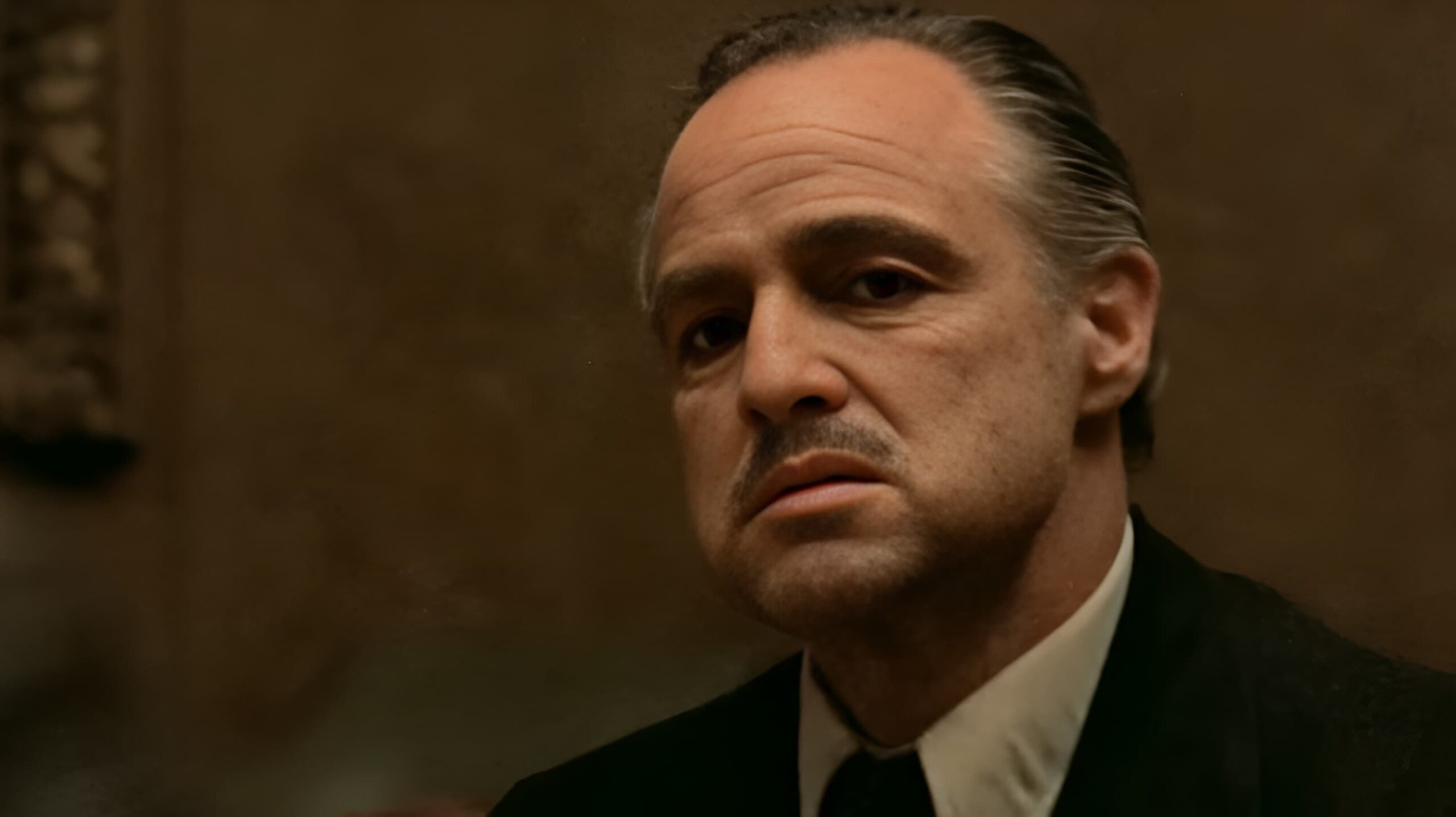
Marlon Brando wanted to look like a bulldog and Smith delivered. He built custom dental appliances to push out Brando’s cheeks and make his jowls droop. The result became one of cinema’s most iconic faces. Smith helped create the film’s groundbreaking bullet wound and blood effects, including the famous tollbooth assassination sequence.
The Exorcist (1973) – Demonic Possession on Screen
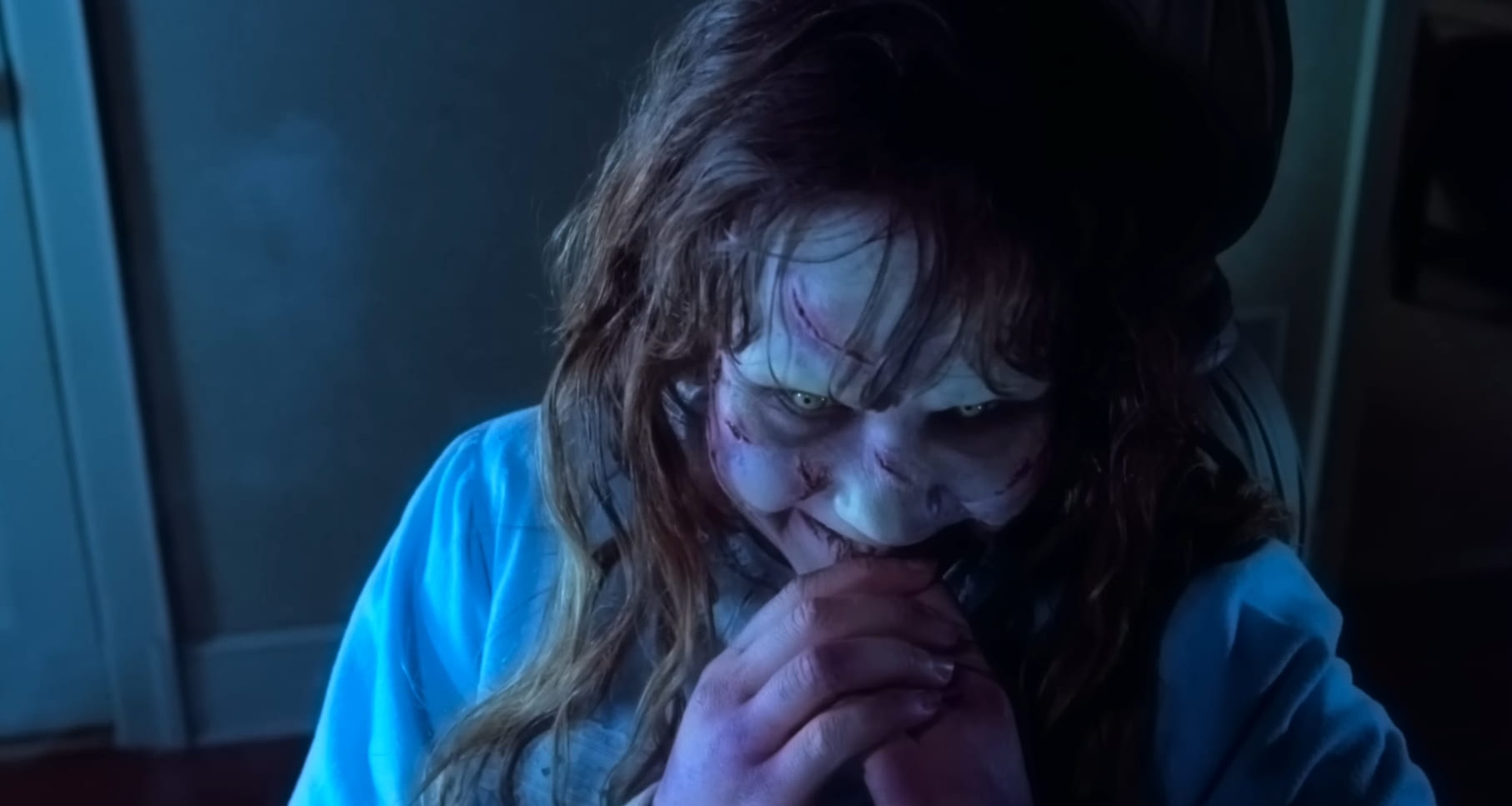
This is the one that terrified a generation. Smith designed the possessed look of Regan MacNeil – the sores, the pallor, the cracked skin, the unsettling eyes. The result was so convincing that many viewers found it deeply disturbing. Smith won the first-ever Saturn Award for Best Makeup for this film in 1974.
Amadeus (1984) – An Oscar-Winning Transformation
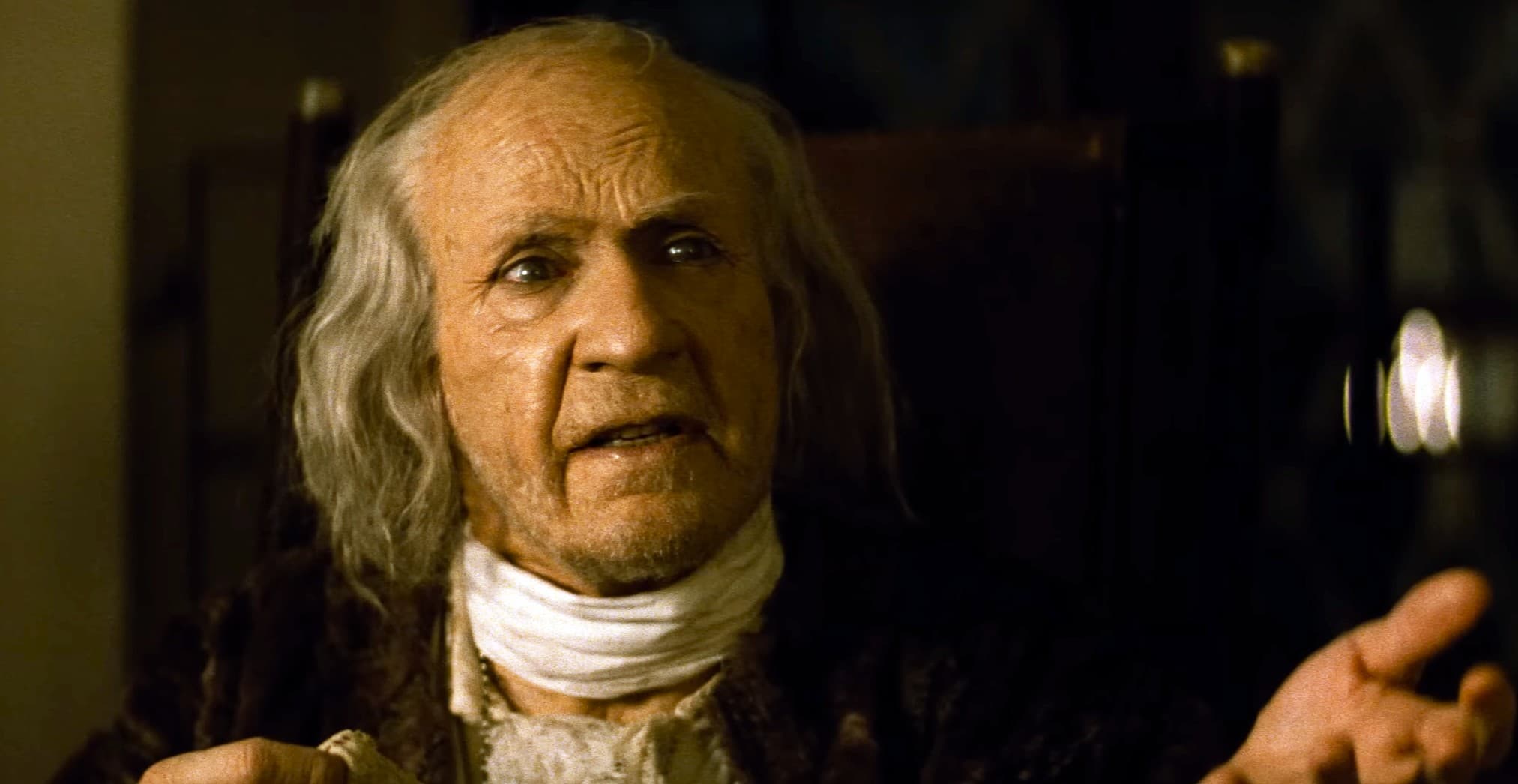
Smith aged actor F. Murray Abraham from his forties to his eighties across the film’s timeline. The work required multiple appliance sets for different age stages. It was meticulous, layered, and completely believable. The Academy agreed and Smith shared the Oscar for Best Makeup with Paul LeBlanc.
The Technique That Set Dick Smith Apart
Most makeup artists of his era built single masks. One mold, one application. Simple and fast.
Smith refused to cut corners. He built multiple separate appliances for a single face. Each piece attached to a different area. Each piece moved independently and actors could emote fully. The makeup breathed with the performance.
This approach took longer to apply and it took more skill to design, but the results were incomparable.
Dick Smith Worked Out of His Basement
Here is the detail that floors people: For much of his career, Smith created his makeup effects from a basement studio in Larchmont, flying to the set with the makeups whenever shooting began.
No Hollywood studio facility. No giant workshop. Just a suburban basement and extraordinary skill.
Dick Smith as a Teacher and Mentor
Smith didn’t hoard his knowledge. He shared it freely.
In 1965, he published Dick Smith’s Do-It-Yourself Monster Make-Up Handbook, which gave aspiring artists a practical guide to building monster effects at home. It launched careers.
He directly mentored Rick Baker (Baker went on to win seven Academy Awards) and influenced a generation of artists including Stan Winston, Mike Westmore, and John Caglione Jr. They were not competitors, but fellow students of an evolving art.
Awards and Recognition: A Career in Full
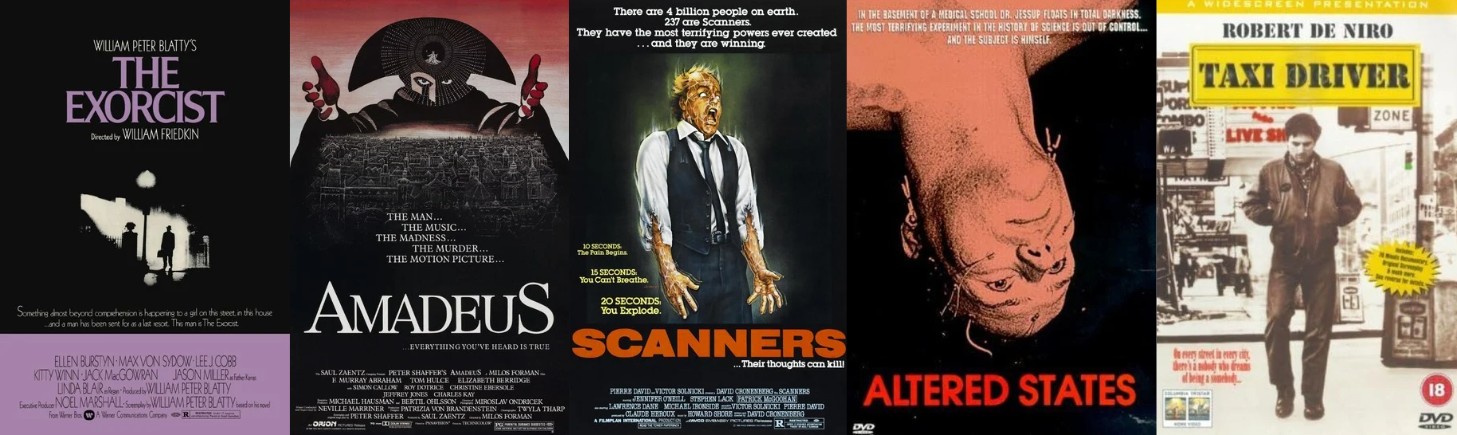
- Academy Award for Best Makeup – Amadeus (1985), shared with Paul LeBlanc
- Honorary Academy Award – November 2011 Governors Awards, recognizing his entire career
- Emmy Award – Mark Twain Tonight! (1967), for his prosthetic aging work on Hal Holbrook
- Saturn Award for Best Makeup – The Exorcist (1974), the inaugural winner in the category
- Saturn Award for Best Makeup – Altered States and Scanners (shared, 1981)
- Lifetime Achievement Award – Make-Up Artists and Hair Stylists Guild (2014)
Smith was the first makeup artist to receive an Academy Honorary Award, in addition to winning a competitive Oscar for Amadeus.
Dick Smith’s Legacy: An Art Form Elevated
Smith did more than make faces. He proved that makeup was a serious cinematic discipline. He pushed it into the same conversation as cinematography, costume design, and set decoration.
Directors trusted him with their most demanding transformations. Actors trusted him with their faces. Audiences trusted the worlds he helped create.
J.J. Abrams said that Smith created iconic images using human faces as his canvas – a painter using layers of foam latex to achieve the most startling and realistic effects.
Dick Smith died on July 30, 2014, at the age of 92. His protégé Rick Baker announced his passing on Twitter the following day.
The work survives. Every time an actor disappears into a role – jowls, wrinkles, wounds, and all – the craft Smith built makes it possible.
Read and Learn More
Dick Smith is featured in the following books:
Men, makeup, and monsters,
Behind the Mask, Dick Smith – The Godfather of Makeup,
Rick Baker – Metamorphosis (Afterword by Dick Smith)
Author:
Dick Smiths Do It Yourself Monster Make-up Handbook
Quick Facts: Dick Smith at a Glance
- Born: June 26, 1922 – Larchmont, New York
- Died: July 30, 2014 – Los Angeles, California (age 92)
- Career span: 1945–1999
- Started at: NBC Television (first staff makeup artist)
- Oscar: Amadeus (1985), Best Makeup
- Academy Honorary Award (presented at the 2011 Governors Awards)
- Key films: Little Big Man, The Godfather, The Exorcist, Taxi Driver, Amadeus, Altered States, The Deer Hunter
- Nicknamed: The Godfather of Makeup
Fair Use & Credits:
Featured cover image: Screenshot taken from ’Dick Smith on creating Abraham Lincoln makeup in the 1940s – EMMYTVLEGENDS.ORG’ by FoundationINTERVIEWS via YouTube
All copyrighted material belongs to their respective owners. Screenshots are used for commentary and educational purposes under fair use.