Study Prosthetics and Special Effects Design at Solent University, Southampton
Want to build monsters, design creatures, and create characters for film, TV, and theatre? Solent University’s BA (Hons) Prosthetics and Special Effects Design gives you the skills, the studios, and the industry connections to make it happen.
What Is This Course?
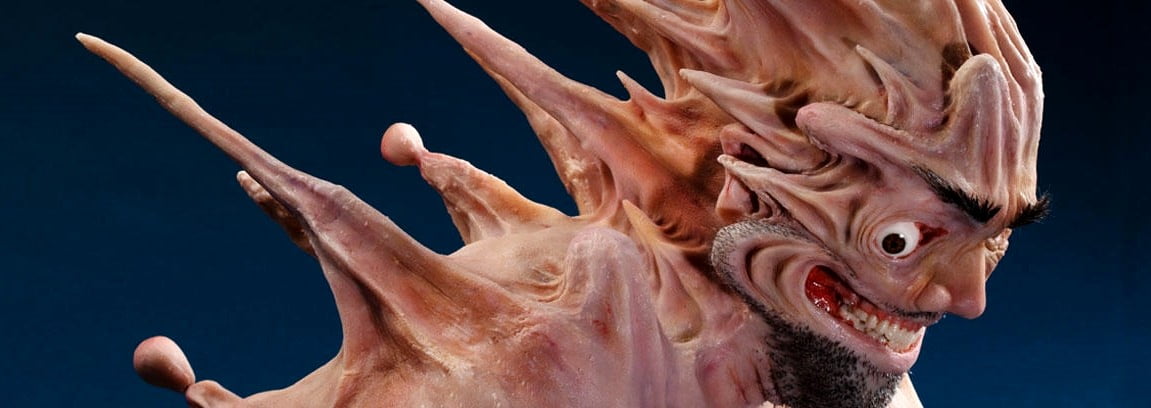
This is a hands-on undergraduate degree based at Solent University’s Southampton City Centre campus. It takes three years full-time (or four years with a foundation year), and covers three core areas: prosthetics, special make-up effects, and character design – for film, TV, theatre, and beyond.
You don’t just learn theory. You sculpt. You mould. You cast. You apply. And you work with real industry software and materials from day one.
Solent University is located in Southampton, a vibrant coastal city on the south coast of England, UK.
UCAS code: PSE1
Institution code: S30
Entry requirements: 104–120 UCAS Tariff points
Tuition fees (2026/27 academic year): £9,790 per year (UK students)
International students: As a general guide, qualifications equivalent to British high school A-levels are expected. Applicants from outside the UK are required to submit an electronic portfolio and may be invited to an interview via video call.
What You’ll Actually Learn
The course takes an experimental, hands-on approach. You’ll develop skills across three main areas:
Sculpting, Moulding and Casting – create prosthetics and creature effects from scratch using traditional and contemporary techniques.
Make-Up and Hair Application – apply refined beauty, character, and creature looks on set and on stage.
2D and 3D Design – use digital tools including ZBrush and other professional sculpting software to design characters and assets for both virtual and physical production pipelines.
You’ll also study anatomy, design history, research methodology, and critical design thinking – building the kind of rounded understanding that makes you more valuable in any professional environment.
Year-by-Year Structure
Year 1 core modules:
- Flesh and Fiction builds foundational skills in anatomy, sculpting, and 3D design for props and miniatures.
- Picture Matters covers image-making fundamentals, including camera use, lighting, and post-production, along with industry practices like model releases.
- Glitches and Stitches focuses on digital sculpting for prosthetics and creature design, teaching software skills and how digital assets support physical fabrication.
- Technical Triage develops practical abilities in prosthetic application, using SFX materials to create realistic wounds that align with storytelling and continuity.
Year 2 core modules:
- Pitch Perfect helps students build their personal brand, freelance skills, portfolio, and web presence to position themselves within the industry.
- Creature Creation advances digital design skills, covering digital sculpting, scanning, and digital-to-physical workflows for creature and prosthetics work.
- Under the Skin develops complex prosthetic effects using professional techniques like life casting, blood pump construction, and intricate wound replication.
- Gothic and Gore focuses on producing large-scale character or creature props in an industry-simulated environment, teaching advanced mould-making, surface finishing, and fabrication of oversized forms.
Final year core modules:
- Major Project requires students to independently manage and execute a creative research project, producing a substantial body of advanced work that addresses a design problem or issue related to their interests.
- Future Folio focuses on building an industry-ready portfolio, incorporating image creation, web content, and exhibition curation, tailored to the student’s chosen pathway.
- Industry Immersion involves completing 100 hours of work-based experience to develop professional skills, confidence, and insight into creative industry roles.
- Creative Research Project serves as preparation for the major project, where students devise and propose an ambitious, original research project aligned with their creative and career goals.
Real-World Experience While You Study
This course doesn’t wait until graduation to connect you with the industry. During your studies you’ll:
- Collaborate with The Grange Festival and The Mayflower Theatre, Southampton
- Work on live briefs for real clients
- Enter professional brand competitions such as the Kryolan Zombiefied challenge, with prizes from sponsors including Neil’s Materials and Pigs Might Fly
- Take part in professional events including Terror Island and the Horror Maze
- In your final year, join the professional SFX team at the Prosthetics Event, or attend IMATS in London
You’ll also collaborate with students on Solent’s television, film, make-up, and theatre courses – mirroring how the industry actually operates.
Students Who’ve Made It
Solent University student Ella, who studied BA (Hons) Prosthetics and Special Effects Design, made it to the final of the BBC TV show ‘Glow Up’. She shares her experiences here:
Award-Winning Teaching and Facilities
The 2025 National Student Survey (NSS) gave the course a 98% positivity rating for learning resources. Solent’s creative arts courses also rank in the top 20% nationally for graduate earnings (LEO 2025).
The university has invested £1 million in a dedicated art and design school. Specialist facilities include:
- Industry-focused special effects studios
- Fibre glass lab and plaster room
- 3D printing labs
- Make-up and hair design studios
- Photography studios including an infinity cove
- Software including ZBrush and other professional design tools
Students also benefit from Solent’s award-winning teaching building, The Spark, plus a £28 million Sports Complex, 24-hour library access, and a student-run cinema with Dolby Atmos.
What Careers Does This Lead To?
Graduates go on to a wide range of roles in the creative industries, including:
- Special effects make-up designer
- Prosthetics artist and sculptor
- Mould maker
- Creature concept and character designer
- Casualty simulator (medical, film, or emergency response training)
- Digital sculpting designer
- Special effects technician
- Multi-media artist
The skills you develop are also transferable to medical prosthetics, trauma injury simulation, and emergency response training – sectors that value highly specialised technical skills.
Entry Requirements and How to Apply
You need 104–120 UCAS Tariff points. Applicants should have usually studied a creative subject and will need to show a portfolio of art and design work as part of their application.
International students: As a general guide, qualifications equivalent to British high school A-levels are expected. Applicants from outside the UK are required to submit an electronic portfolio and may be invited to an interview via video call.
Previous experience in prosthetics or SFX is not required – Solent values creative potential and a willingness to experiment.
If your grades don’t yet meet the requirements, Solent’s Art and Design Foundation Year is a direct entry route into this degree. The foundation year begins with a five-week group project, followed by ten weeks covering design history and core skills, and finishes with a fifteen-week discipline-specific project.
Solent offers bursaries, grants, and scholarships to help with costs. Contact [email protected] for guidance.
Contact information

For questions, contact UK admissions:
Email: [email protected]
Phone: 023 8201 5066
International students:
Email: [email protected]
Phone: +44 (0)23 8201 5066